Skip to Content

05 / TOOLS & ACCESSORIES

From the base to the surface,
Complete package.

Resin, primer, pre-sealer and final protective layer establish the material path; mixing, reinforcement, scraping and roller tools are responsible for accurately applying the system to the surface.

View supporting materials
Two construction workers inspect microcement samples in a real paint factory. 25L, 5L and 1L liquid materials are displayed on the same workbench in real proportions.
Professional construction consultant/complete liquid material system

02 / APPLICATION TOOLS

Six professional tools,
Complete six key moves.

Don't use it as a "tool kit" in general. Each tool corresponds to a specific construction link; the dimensions are reference records from historical product catalogs and should be reviewed based on the current supply batch before purchasing.

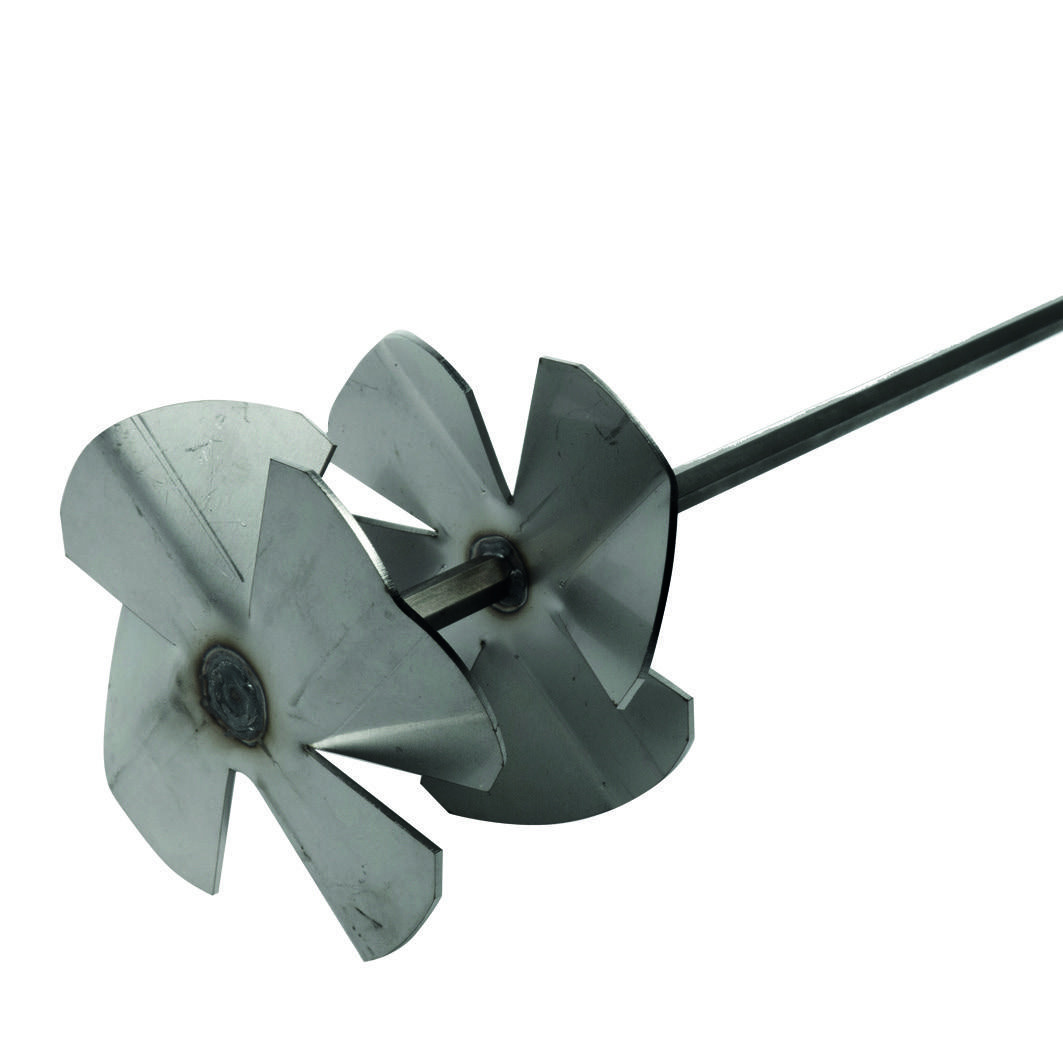
Stainless steel microcement mixing rod
01 / MIXING

stainless steel mixing rod

It is used for mechanical mixing of powder, resin and color paste to help form a uniform slurry and reduce the remaining unmixed material on the wall and bottom of the barrel.

Historical specifications
120 × 500 mm
Use stage
Ingredients and Mixing
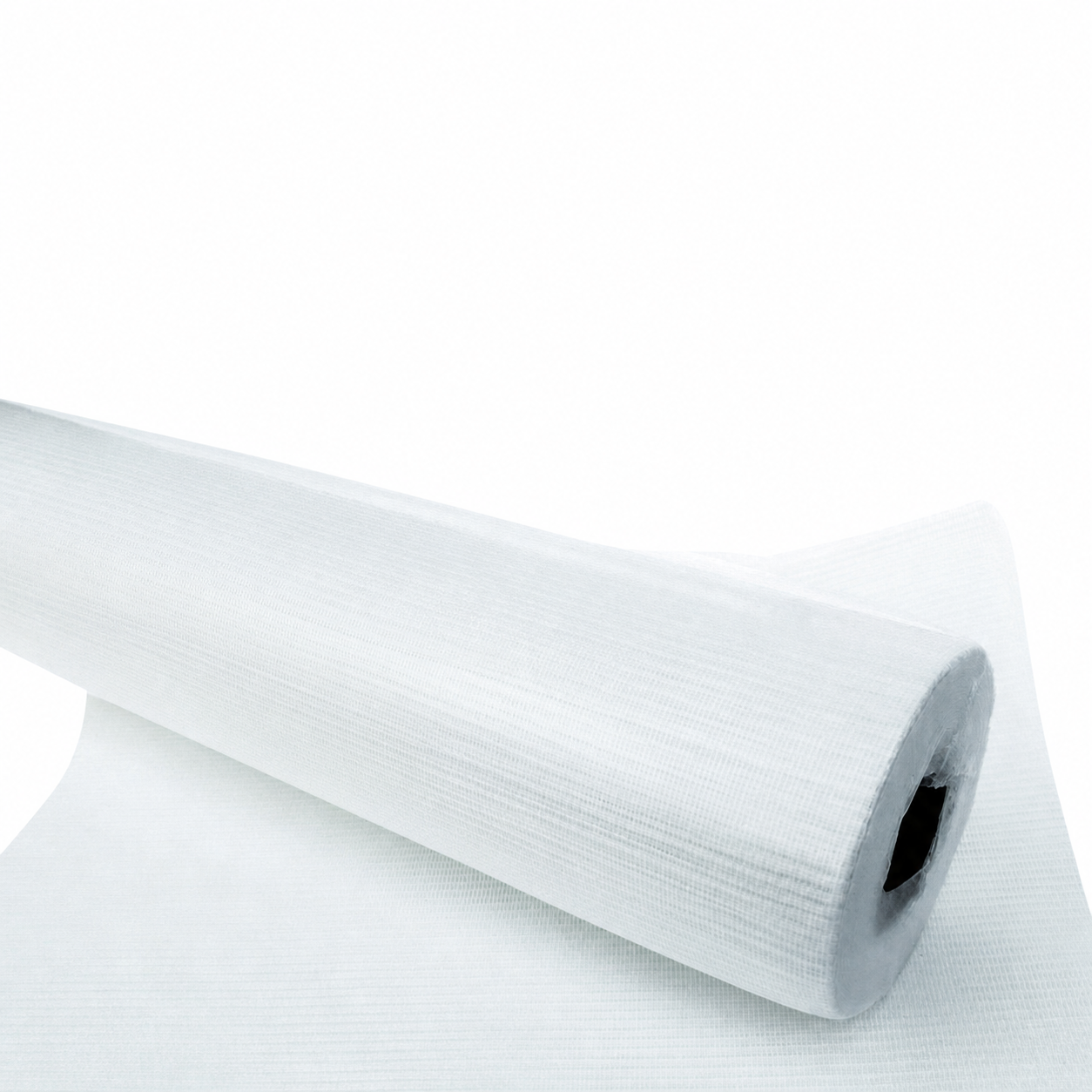
Microcement fiberglass mesh without any branding
02 / REINFORCEMENT

fiberglass mesh

It is laid between the stable base layer and the base layer to enhance the integrity of the system; splicing, corners and nodes still need to be processed according to the construction plan.

Historical specifications
50 × 1 m / roll
Weight reference
50 / 58 / 160 g
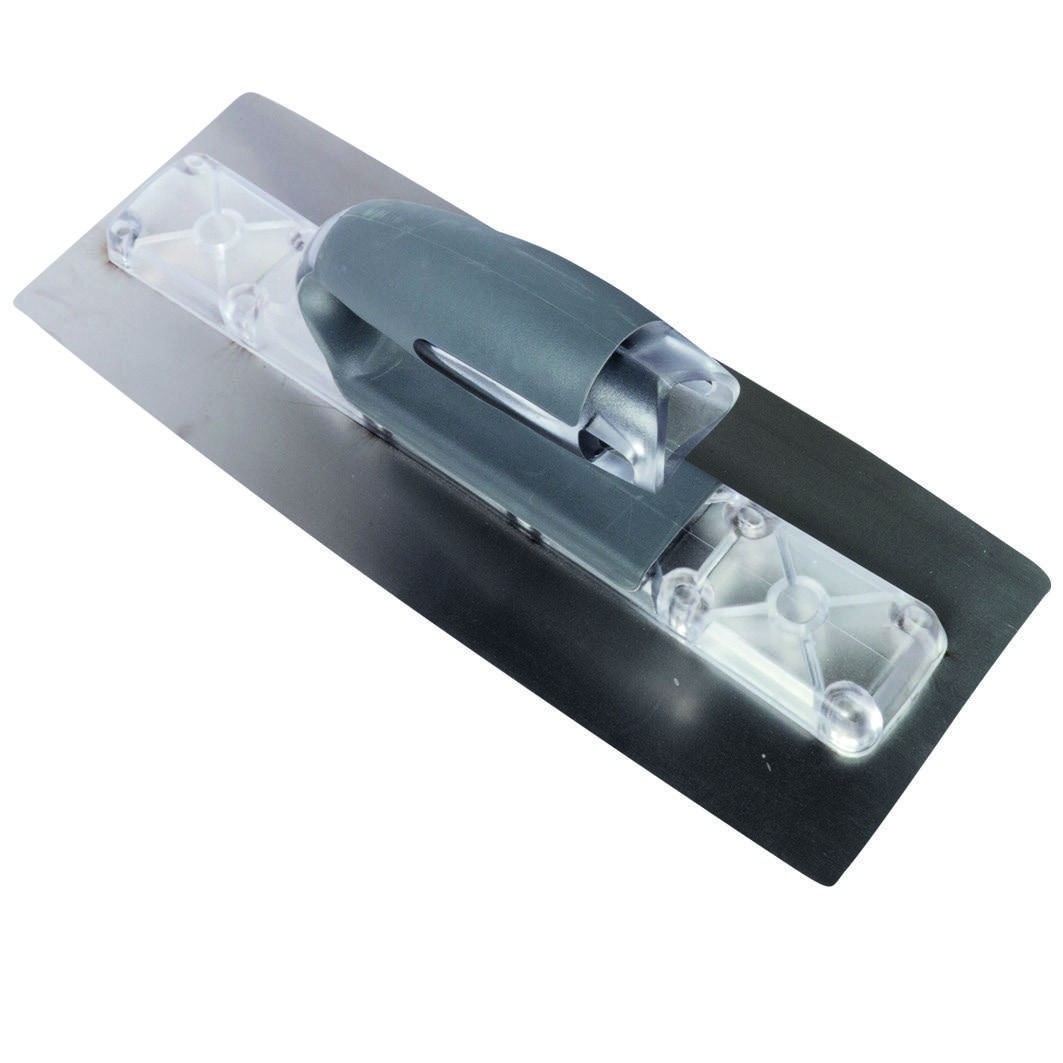
microcement double flexible steel batch knife
03 / TROWELLING

Double flexible steel batch knife

Flexible steel plates are used for thin-layer scraping and finishing, and are suitable for controlling the thickness of the microcement layer and the rhythm of knife marks. The final effect still depends on the construction method.

Historical size
300 / 350 × 110 mm
Steel plate thickness
0.40 mm
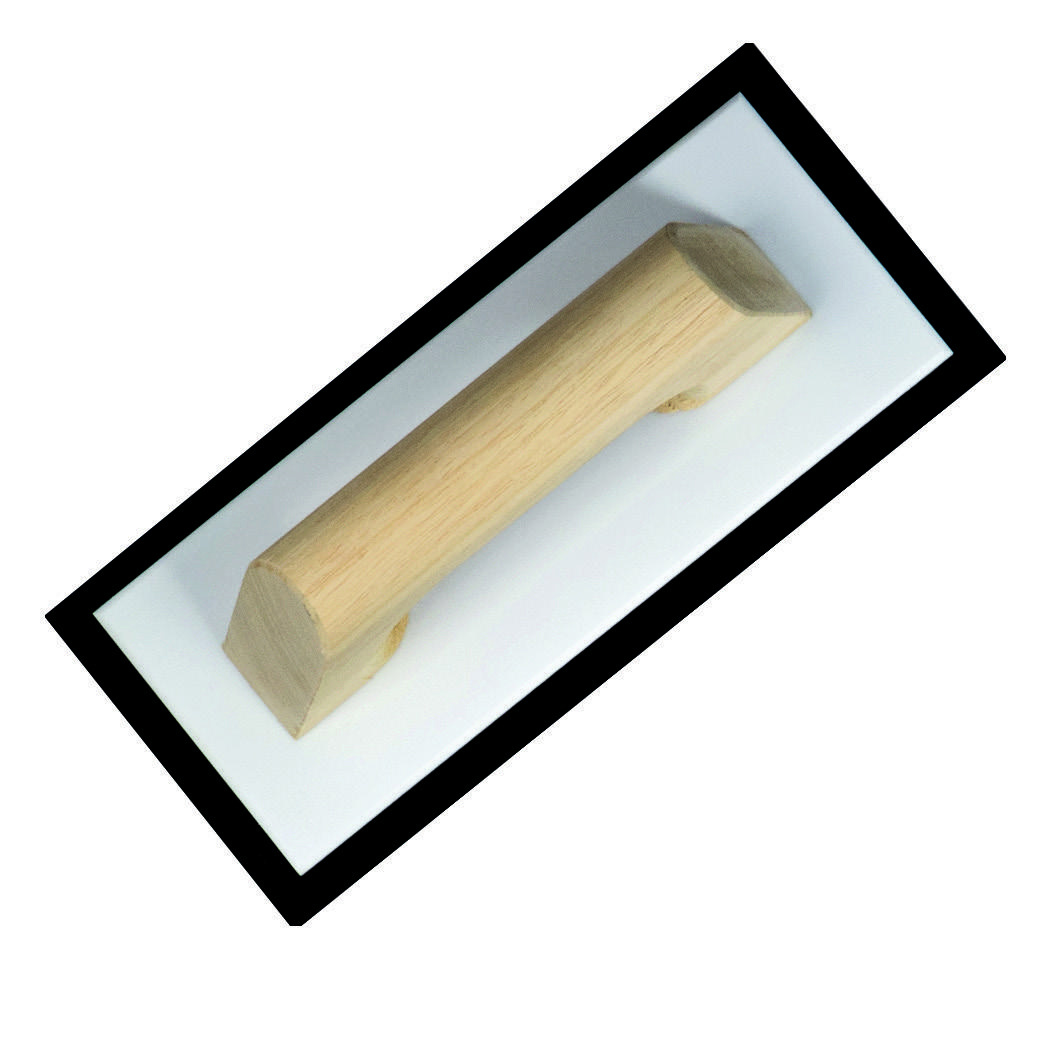
microcement rubber batch knife
04 / SPECIAL APPLICATION

Rubber batch knife

It is suitable for thin-layer materials and special finishes that require flexible contact to reduce direct cutting of hard metal edges on the surface.

Historical size
140 × 300 mm
Use stage
Thin layer scraping
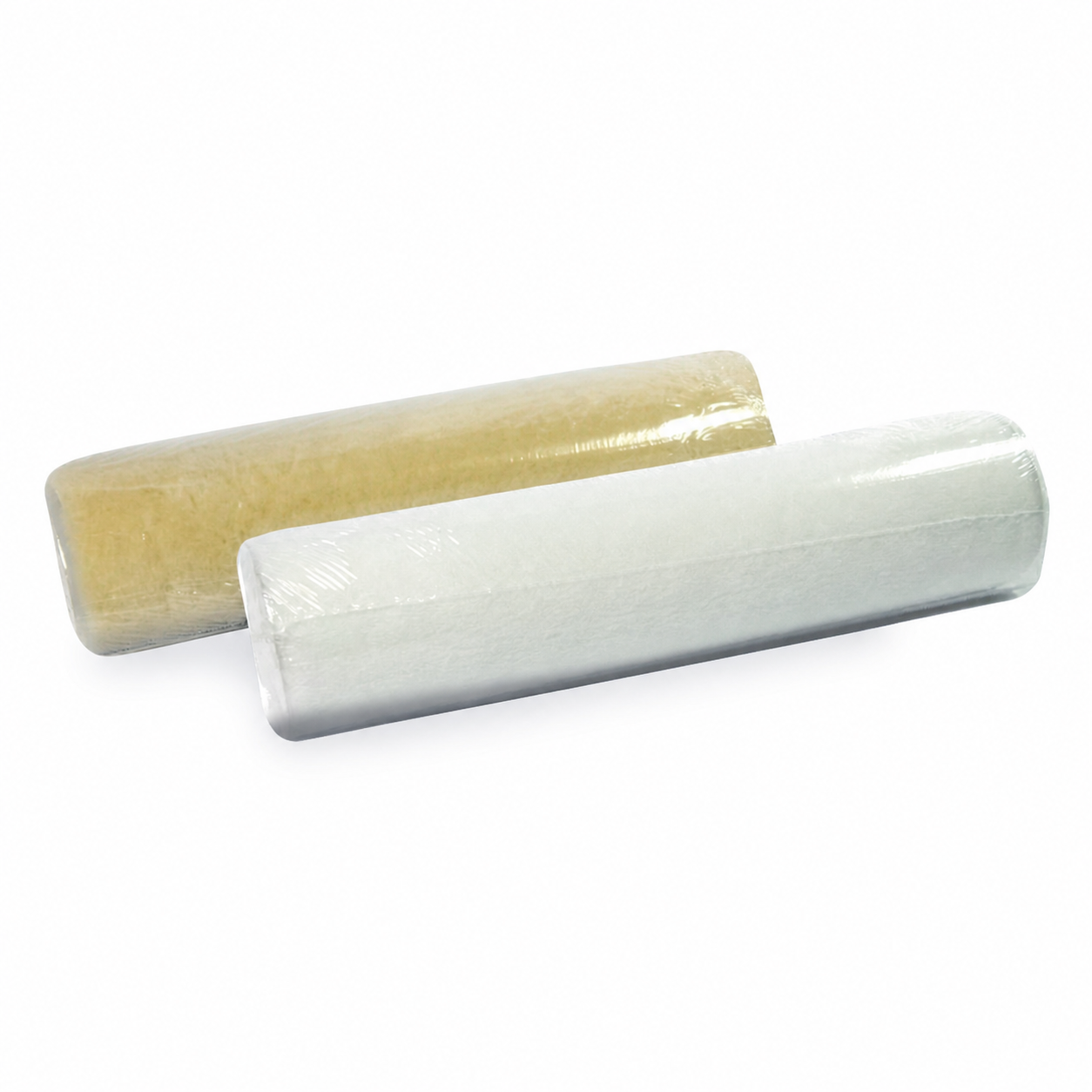
microcement protective layer short-nap roller without any branding
05 / SEALING

Short nap roller

Corresponding to water-based WT and solvent-based DSV protective materials respectively, the roller material should match the coating system to avoid fiber shedding and local accumulation.

Historical size
4 × 180 / 220 mm
Material reference
polyester / virgin wool
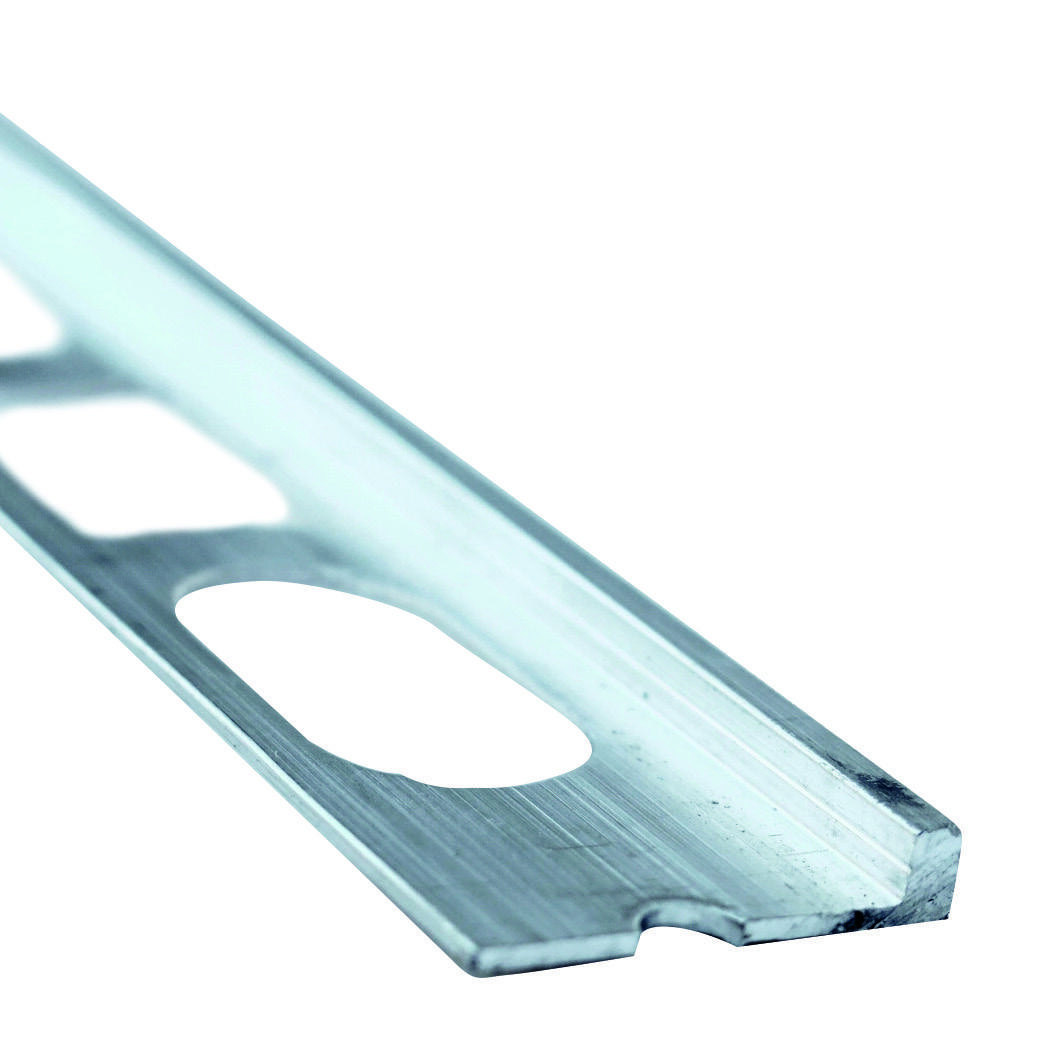
microcement aluminum alloy edge profile
06 / EDGE CONTROL

Aluminum alloy edge profile

Linear control for edges, turns or where different materials meet. The installation location, fixing method and final finished surface elevation must be confirmed at the base stage.

length of history
2700 mm
Thickness reference
3 mm

01 / SYSTEM LIQUIDS

liquid material,
Connect every process.

The four types of liquid materials are responsible for mixing, interface treatment, pre-sealing and final protection respectively. The selection should be reviewed based on the base absorbency, wet zone conditions, usage location and target gloss.

  1. 01mixed resin
  2. 02base primer
  3. 03pre-sealed
  4. 04ultimate protection
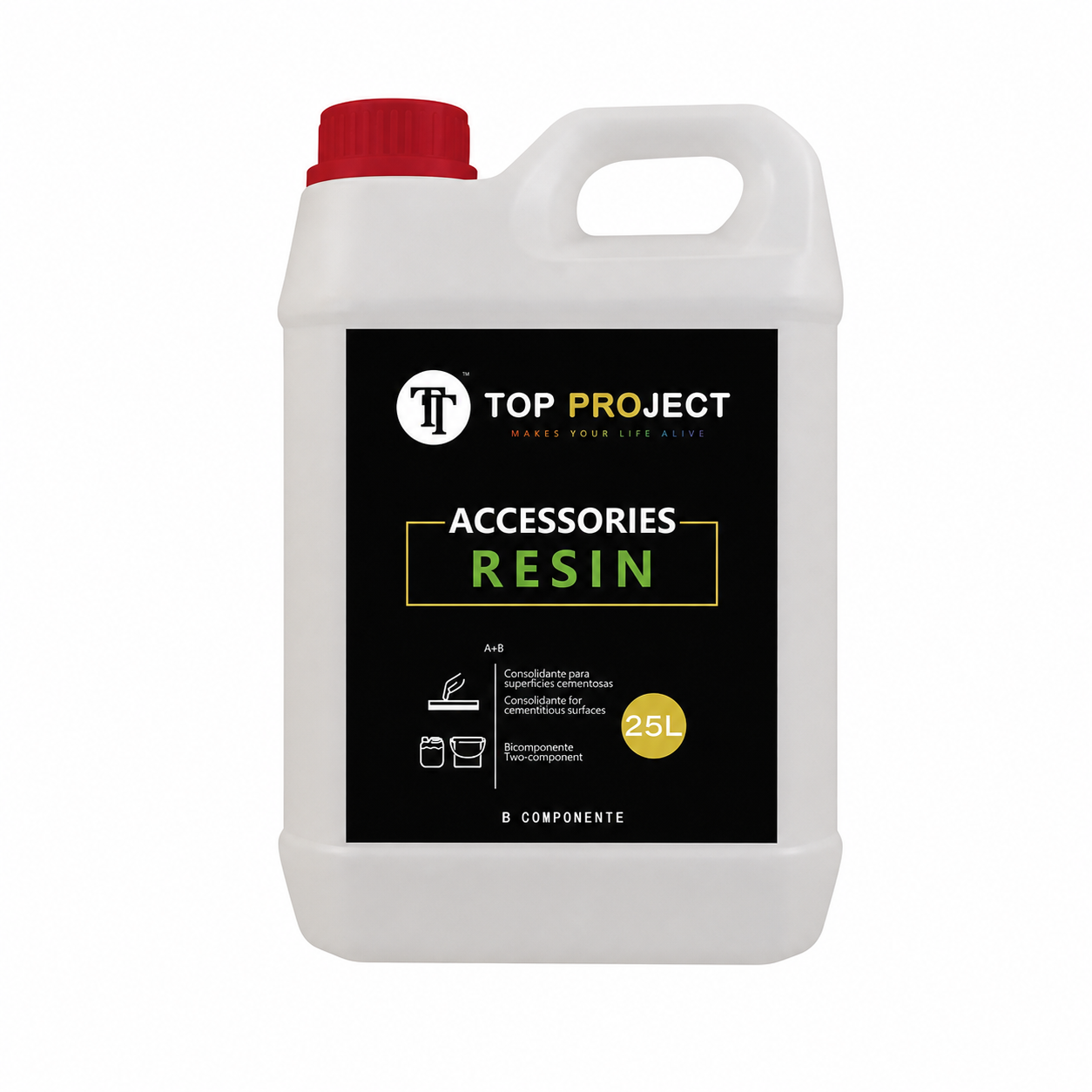
TOP PROJECT Resin Resin Excipients Standard Product Picture
01 / MIXING RESIN

mixed resin

The liquid B component of the two-component microcement is responsible for wetting the powder, carrying the color paste and forming a continuous slurry, and cannot be replaced by clean water.

Pack sizes
25 L
Base reference ratio
10 kg : 3.0 L
Fino reference ratio
10 kg : 4.5 L
Deck reference ratio
10 kg : 3.0–3.5 L
Stone reference ratio
10 kg : 2.8–3.0 L
Mixing requirements
Low speed stirring ≥ 4 min
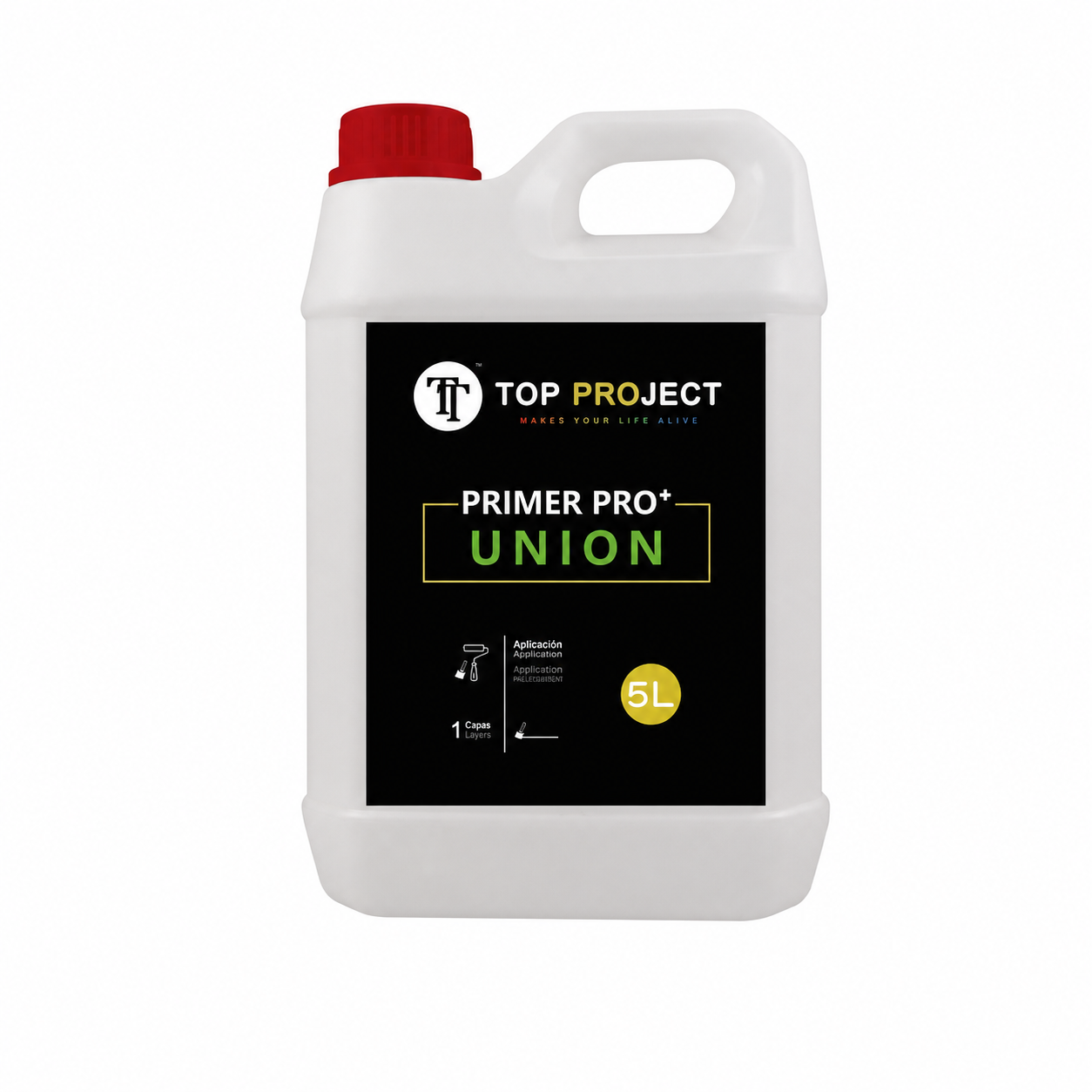
TOP PROJECT Primer Pro Union Standard Product Picture
02 / PRIMER

Primer PRO+ UNION

Dual-purpose interface primer for substrates such as ceramic tiles, gypsum boards and self-leveling substrates; actual selection still requires a combination of substrate absorbency and on-site attachment samples.

Pack sizes
5 L
Indicative consumption
Approximately 0.07 L/m² per channel
dry to contact
about 30 minutes
pH
pH 8–9
viscosity
12–13 s (Ford 4 cups)
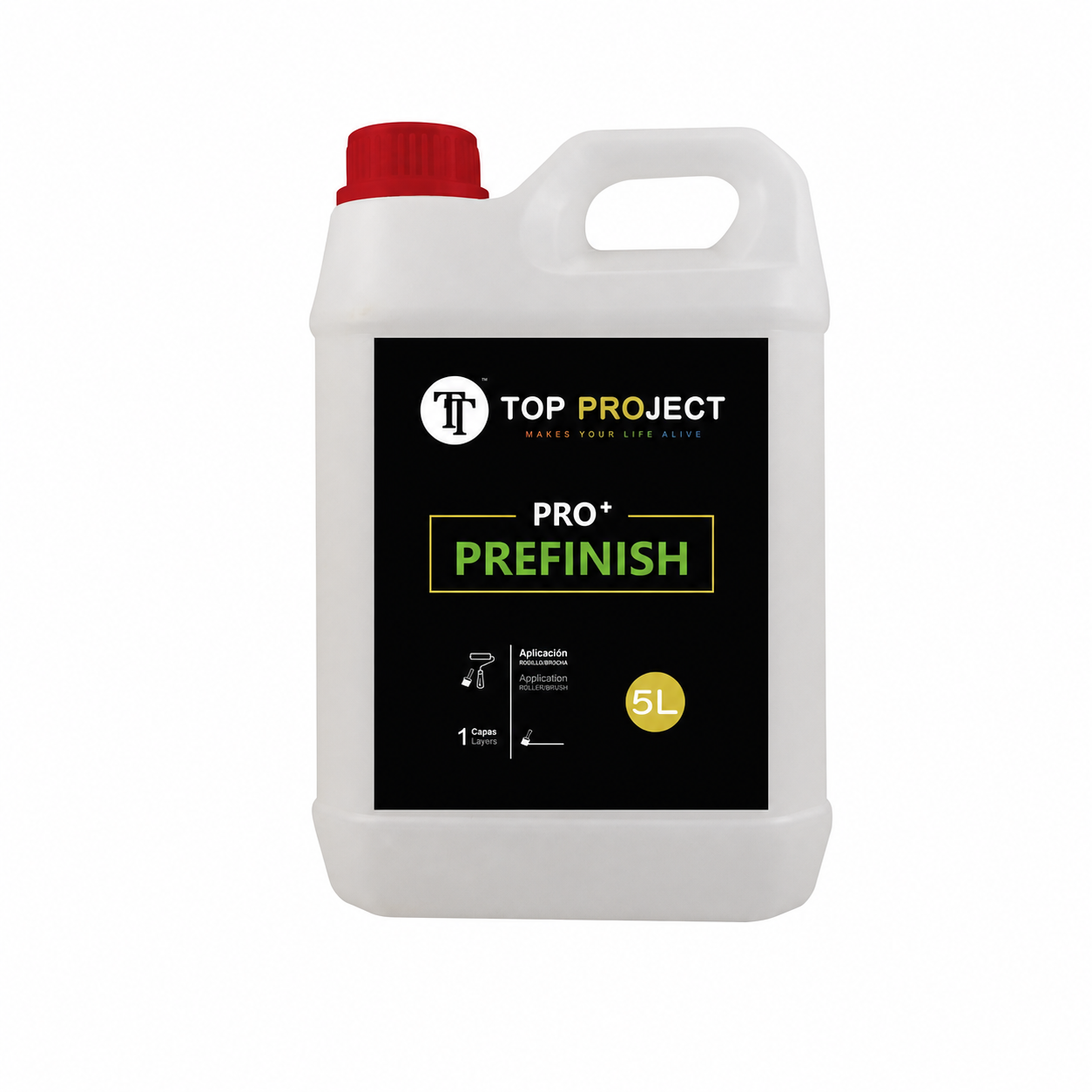
TOP PROJECT Pro Prefinish Standard Product Picture
03 / PRE-SEALER

PRO+ Prefinish

Set between the microcement decorative layer and the final protective layer, it first controls surface absorption differences and then establishes a uniform interface for the polyurethane overlay.

Pack sizes
5 L
Indicative consumption
Approximately 0.12 L/m² for two passes
dry to contact
about 20 minutes
Construction method
Roll or brush
System location
between decorative layer and protective layer
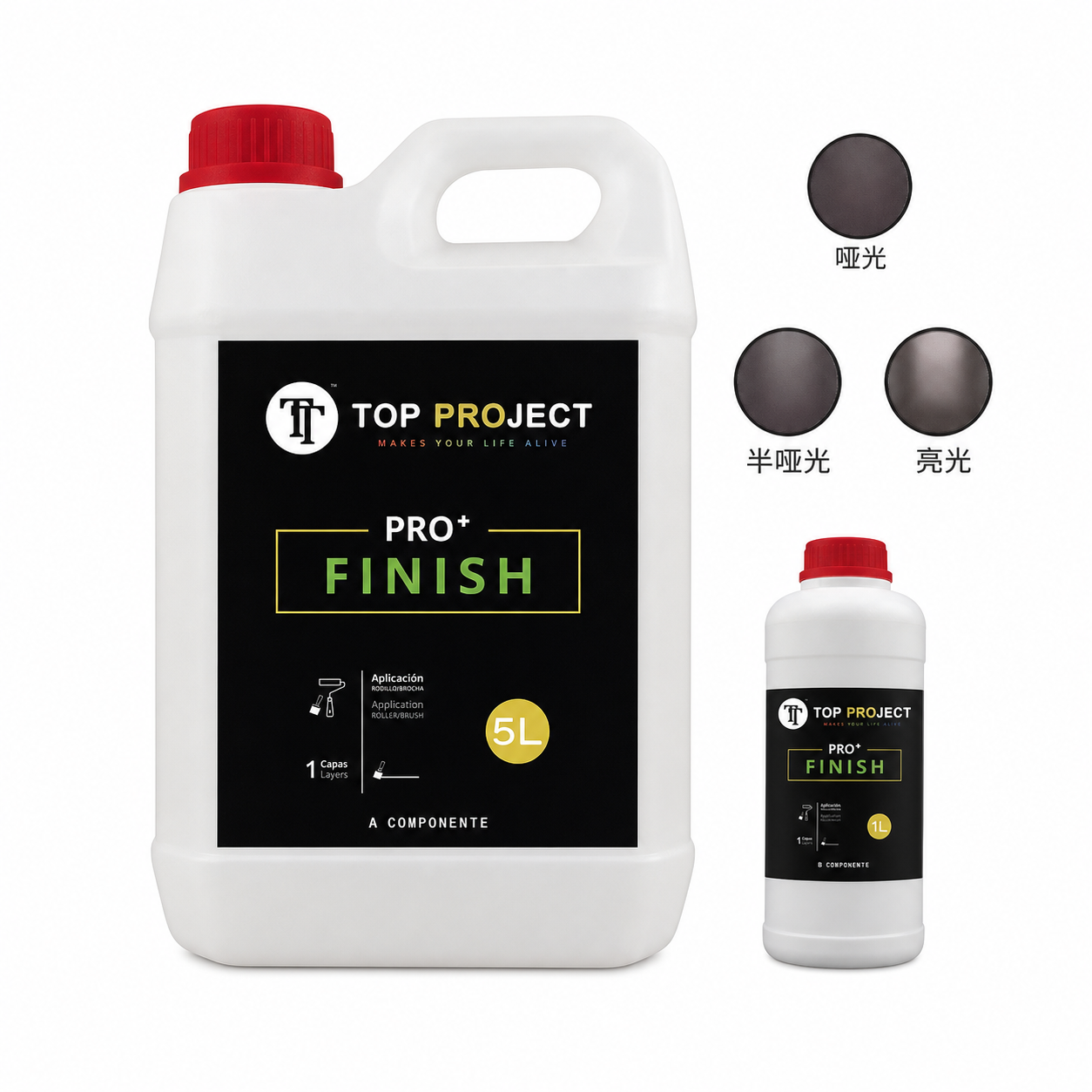
TOP PROJECT Pro Finish Standard Product Picture
04 / TOP PROTECTION

PRO+ Finish A+B

Two-component water-based polyurethane protection system provides water resistance, stain resistance and daily use protection for finished surfaces; wet areas and high-frequency floors need to be reviewed according to the project.

Packaging combination
Component A 5 L + Component B 1 L
Indicative consumption
Approximately 0.12 L/m² for two passes
Ratio requirements
By current batch label or TDS
System type
Two-component water-based polyurethane
Gloss selection
Matte/semi-matte/glossy

03 / WORKFLOW

Starting from the site conditions,
Establish the correct material system.

  1. 01

    Check the grassroots

    Confirm absorbency, strength, flatness, moisture risk and crack nodes.

  2. 02

    Determine enhancement plan

    Decide whether to use mesh cloth, and clarify the seams, inner and outer corners, and the handover of different materials.

  3. 03

    Matching construction tools

    Select mixing, scraping and roller coating tools according to material viscosity, finishing requirements and construction area.

  4. 04

    Establish a protection system

    Confirm pre-sealing, final finish, gloss and post-cleaning maintenance requirements.

Submit photos of grassroots and location of use