Material logic
Water-based epoxy resin provides adhesion and continuity, while mineral fillers create tactile depth and a trowelled texture.
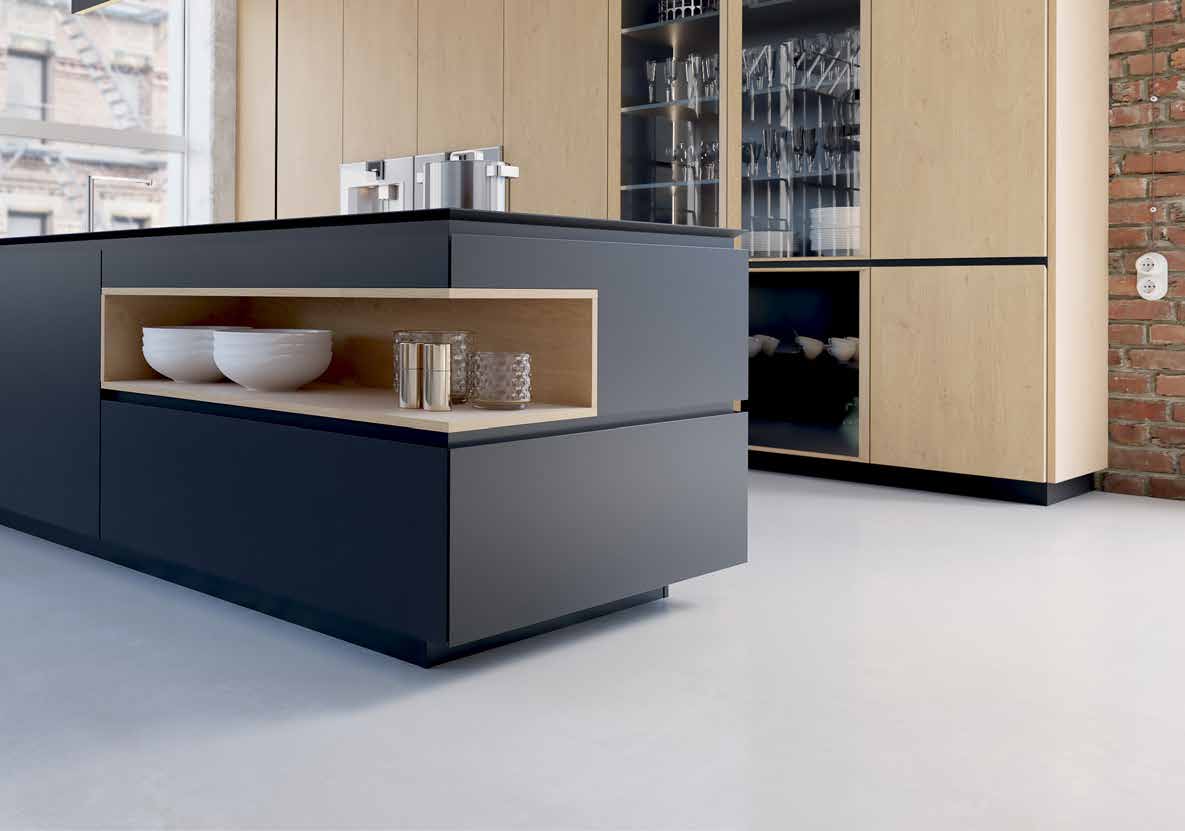

WATER-BASED EPOXY · CONTINUOUS SURFACE
MICROPOX combines water-based epoxy resin and mineral fillers to create seamless wall and floor finishes. The system addresses surface character, substrate adhesion, service demands and final protection rather than pursuing appearance alone.
01 / MATERIAL POSITION
MICROPOX is a seamless decorative system based on waterborne epoxy resin and mineral aggregates. In the current standard build-up, Base provides coarse levelling, Medio refines the intermediate layer, Fino creates the decorative finish and PAVIPOL M100 supplies clear protection. PAVIPOL W is a separate two-component water-based option whose parameters must not be mixed with those of M100.
Before specifying the system, confirm the substrate, moisture conditions, joints, service demands and target sheen. A seamless finish does not eliminate the need to assess substrate joints, structural movement or on-site moisture.
Water-based epoxy resin provides adhesion and continuity, while mineral fillers create tactile depth and a trowelled texture.
Walls and floors follow a clearly defined substrate, finish and protection sequence, adjusted to suit project conditions.
Colour is only one part of the selection; the sample must also confirm texture, sheen, junction details and maintenance.
02 / REAL APPLICATIONS
These reference images come from the original MICROPOX catalogue. They illustrate design directions only; every project still requires its own substrate and system assessment.
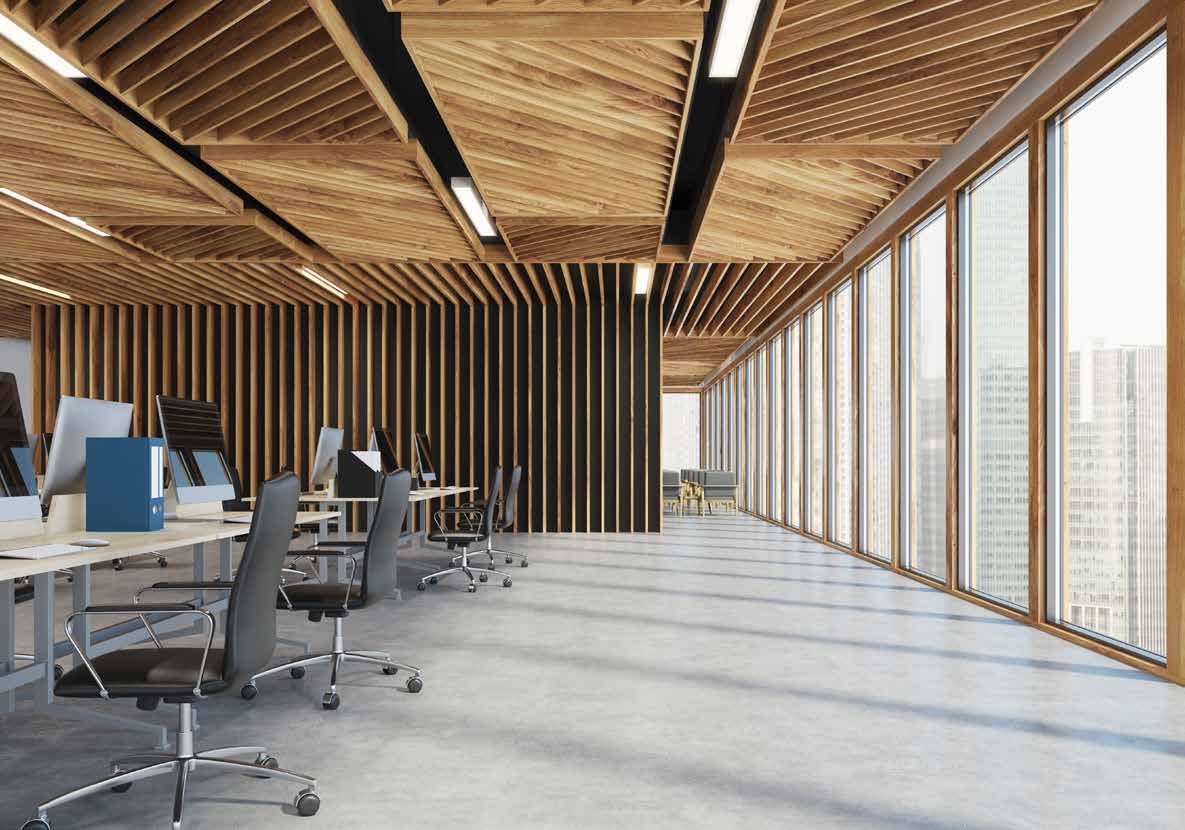
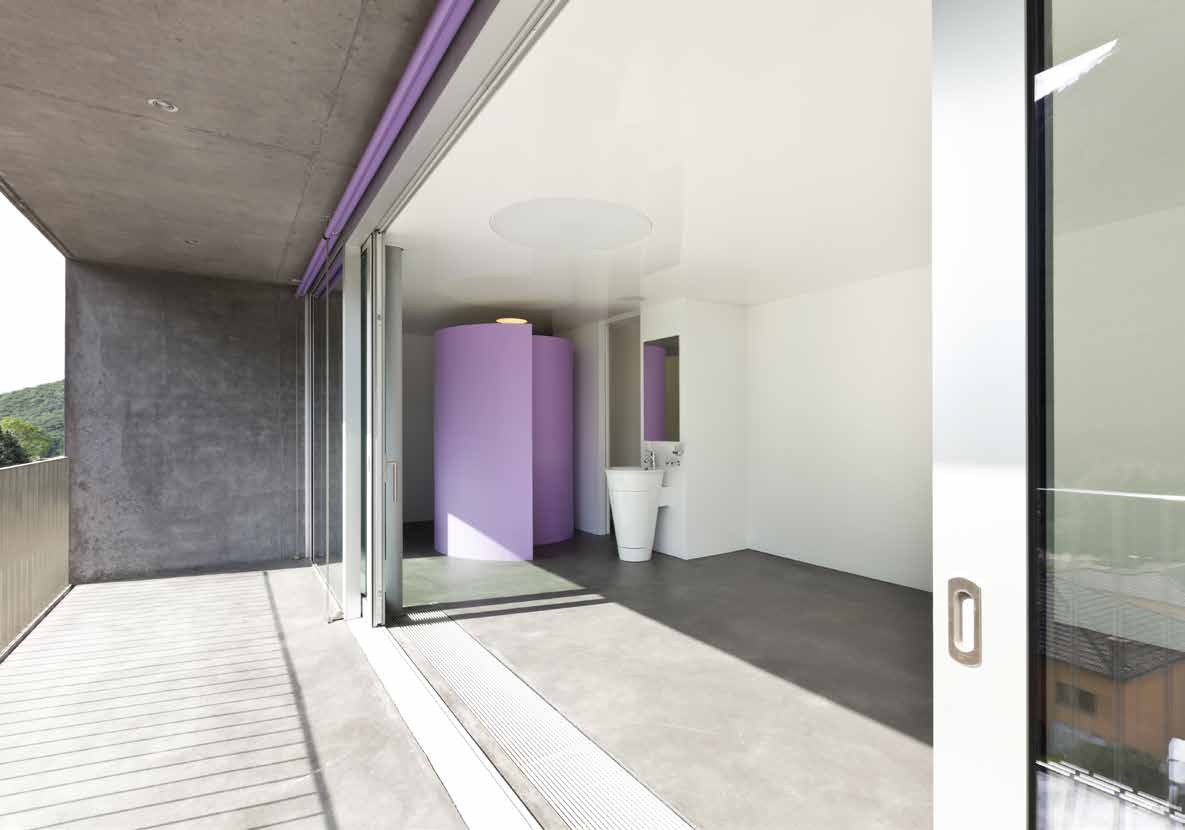

Seamless wall and floor finishes for kitchens, living areas, dry bathroom zones, terraces and balconies.
Open-plan spaces that require a unified visual backdrop, everyday traffic resistance and straightforward maintenance.
In stores, display spaces and high-traffic areas, the protection system needs to be checked based on load and maintenance frequency.
The catalogue includes exterior applications; each project must still verify drainage, junction details, UV exposure and substrate conditions.
03 / CORE MATERIALS
Dedicated products perform substrate levelling, intermediate smoothing, fine finishing and final protection. The standard build-up and optional sealer are presented separately so that packaging, coverage and application conditions are never mixed.
Coarse levelling base
A two-component waterborne epoxy and mineral-filler material that establishes the continuous base, corrects the surface and receives the intermediate layer.
Intermediate smoothing layer
Applied over Base to refine the seamless surface and provide an even, stable interface for the fine finish.
Fine decorative finish
Creates a refined mineral feel and controlled trowel movement. The standard system uses two Fino coats, followed by curing, sanding and clear protection.
Standard clear protection
A one-component, 100%-solids aliphatic polyurethane clear sealer, applied in two thin coats in the current standard system.
Two-component water-based protection
A two-component waterborne aliphatic polyurethane sealer. Its components, packaging, cleaning medium and application parameters differ from M100.
04 / SYSTEM ANATOMY
The 2024 standard mesh-reinforced floor and wall systems follow the same sequence: primer with fibreglass mesh, Base, Medio, two Fino coats and two M100 protective coats. A clear build-up never replaces checks for substrate moisture, cracks, movement joints and junction details.
Continue to view the construction sequence →05 / APPLICATION PATH
The sequence and coverage figures below follow the 2024 standard mesh-reinforced floor and wall systems and their product data sheets. Temperature, humidity, substrate absorption, product version and batch can alter actual waiting times; always follow the current TDS and site trial.
Confirm strength, flatness, moisture, contamination, cracks and movement joints. The finish cannot conceal unresolved substrate defects.
For the standard floor system, apply approximately 0.25 kg/m² of MICROTAC PRIMER with fibreglass mesh. For the standard wall system, use approximately 0.15 kg/m² of MICROTAC AC with mesh.
Apply Base at approximately 1.20 kg/m² and Medio at approximately 0.70 kg/m² with a metal trowel. Add TIX for vertical applications as specified.
Apply approximately 0.50 kg/m² per coat. Keep trowel direction, wet edges and thickness consistent; after the second coat cures, sand with 120/180 grit and vacuum thoroughly as specified.
The current data sheet specifies 60–70 g/m² per coat. Recoat after the previous layer is touch-dry, typically after 2–6 hours, and do not exceed 70 g/m² in a single coat.
When PAVIPOL W is specified, follow its two-component mixing ratio, maximum 100 g/m² per coat and water-cleaning instructions. Do not apply M100 parameters to PAVIPOL W.
The main sequence follows the 2024 MICROPOX standard mesh-reinforced floor and wall systems together with the current PAVIPOL M100 technical data sheet. PAVIPOL W is shown only as a separate protection option; always verify the supplied label, batch and current TDS before application.
06 / TECHNICAL EVIDENCE
The official MICROPOX Base and Medio data sheets list results for BCA wear, impact, surface hardness, adhesion and abrasion. These figures support product identification and preliminary specification only; they do not replace a current test report or project acceptance criteria.
Indicates adhesion between the tested system and substrate. Each project still requires substrate pull-off and compatibility assessment.
The stated surface-hardness result does not replace scratch-resistance testing or an assessment of actual service conditions.
The BCA wear result should only be compared with requirements measured using the same test method.
The source records no defects at a 1,500 mm drop height, with an impact crater of approximately 8.2 mm.
Recorded abrasion result; interpretation requires confirmation of the referenced standard and specimen conditions.
Reference opening time at 25°C and 50% RH; lower temperatures or higher humidity will extend it.
07 / COLOR DIRECTIONS
Screen rendering, ambient light, trowel direction and sealer sheen all affect appearance. Colour names are for communication; final selection must be confirmed with physical samples and an on-site mock-up. Custom colours are also available subject to confirmation.
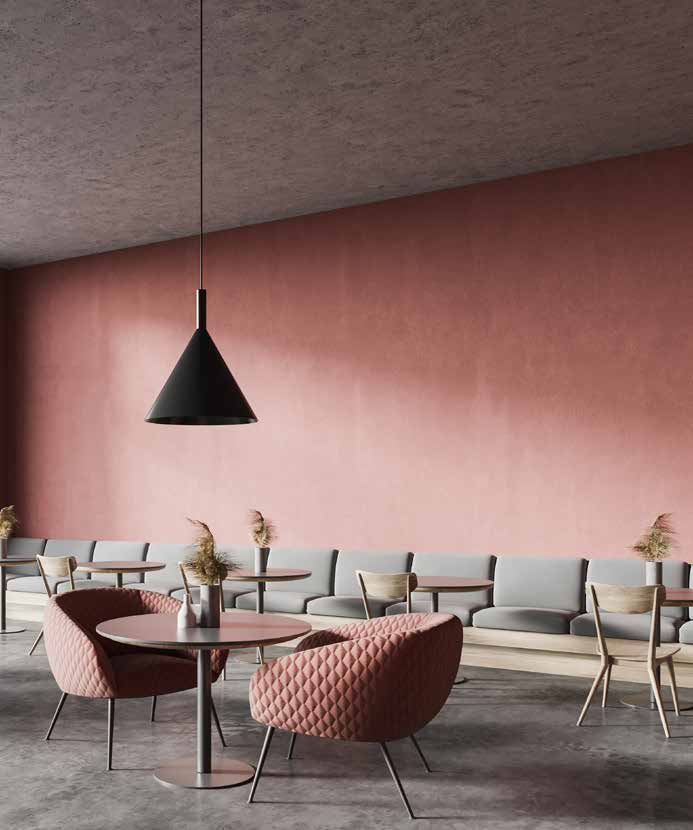
SAMPLE BEFORE PROJECT
Sample requirements are defined by the space, substrate, colour, target texture, sheen and service demands. Review not only colour difference, but also trowel movement and sealer appearance under the project lighting.
Application template and project consultation →RESIN SYSTEM PROBLEM SOLVER