Skip to Content

INNOVATIVE COATINGNatural oak cork particle functional coating

Let the building surface,An extra layer of ability to respond to the environment.

ReadyCork combines natural oak cork particles with a water-based coating system to create a continuous finish on building surfaces. It not only changes color and feel, but also responds to practical issues such as heat, sound, moisture and outdoor exposure.

01Insulation directionProvides a continuous layer of material for the enclosure surface

02Sound absorption directionUtilizing porous particle structures to improve sound reflection

03Waterproof directionDesign a complete construction system based on the base layer and nodes

04Weathering directionFor use on exterior walls, roofs and outdoor exposed surfaces

01 MATERIAL PORTRAIT

The pores of natural oak particles,
constituting the building surfaceSecond layer of texture.

This is not a regular bucket of paint with granules. It transforms the light, porous and elastic structural characteristics of natural cork into a water-based finish that can be continuously constructed; the final effect is determined by the particle size, total thickness, base layer and nodes.

WHAT THE MATERIAL IS

The pellets are obtained from the renewable bark layer of the cork oak – a Mediterranean oak tree – rather than the trunk wood. A large number of closed pores are retained inside the particles, so the material is light, gentle to the touch, and has a structural basis for discussing thermal and acoustic performance.

ReadyCork incorporates oak cork particles into a water-based system and creates a continuous surface by spraying, rolling, brushing or scraping. It can change color, but the real choices are in particle gradation, application thickness and adaptability to the base layer.

Material skeleton
Natural oak cork particles
Film forming system
Water-based bonding system
surface language
Matte, continuous, visible particles
Direction of use
Internal and external walls, ceilings, roofs and specific floors
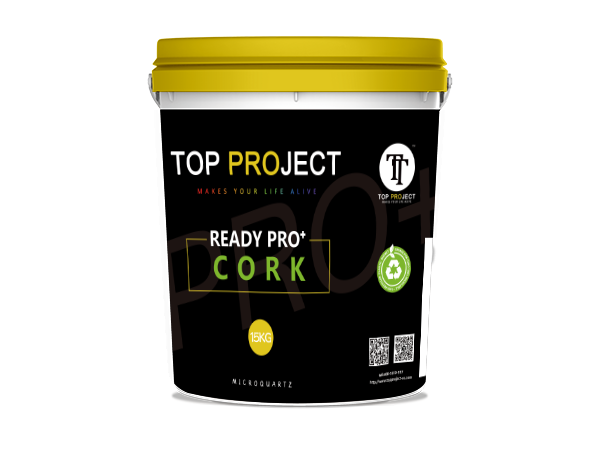
TOP PROJECT ReadyCork oak cork particle coated product barrel
READY PRO+ / CORKThe current packaging display is subject to the actual supply batch.
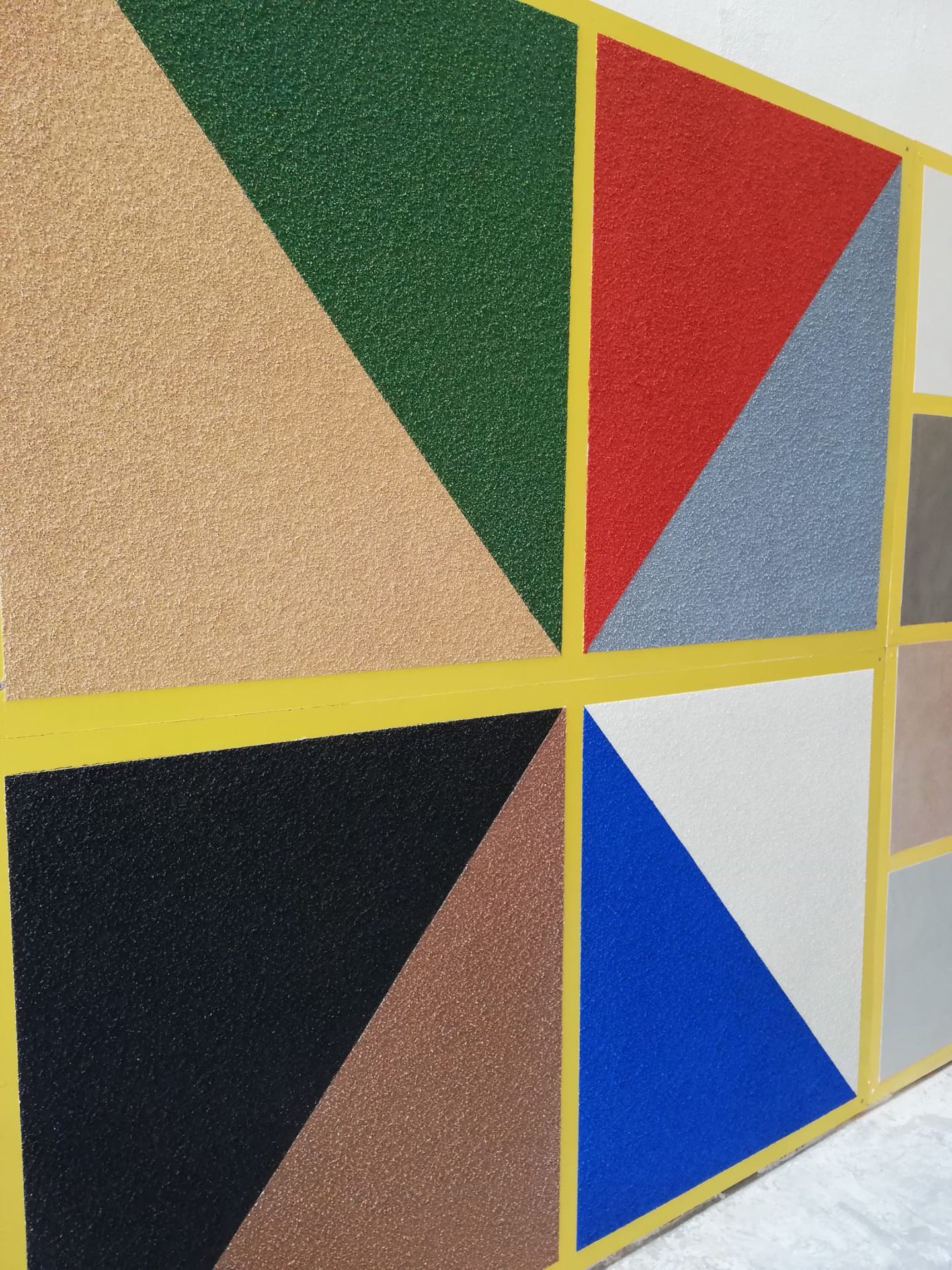
ReadyCork multi-color oak cork particle physical sample real shot
REAL MATERIAL / SAMPLE WALL Color can change,
The grainy texture comes from the material itself.

Real shots of real models. Color, grain gradation and tooling together determine the feel from up close and the integrity from a distance.

02 PERFORMANCE SYSTEM

Four core performances,
Corresponding to four real needs.

First look at the role of the material in the building, then look at how the granular layer is involved, and finally determine how the project should be verified. Scenario diagrams are used to explain application relationships and do not replace inspection reports, entity templates, or node designs.

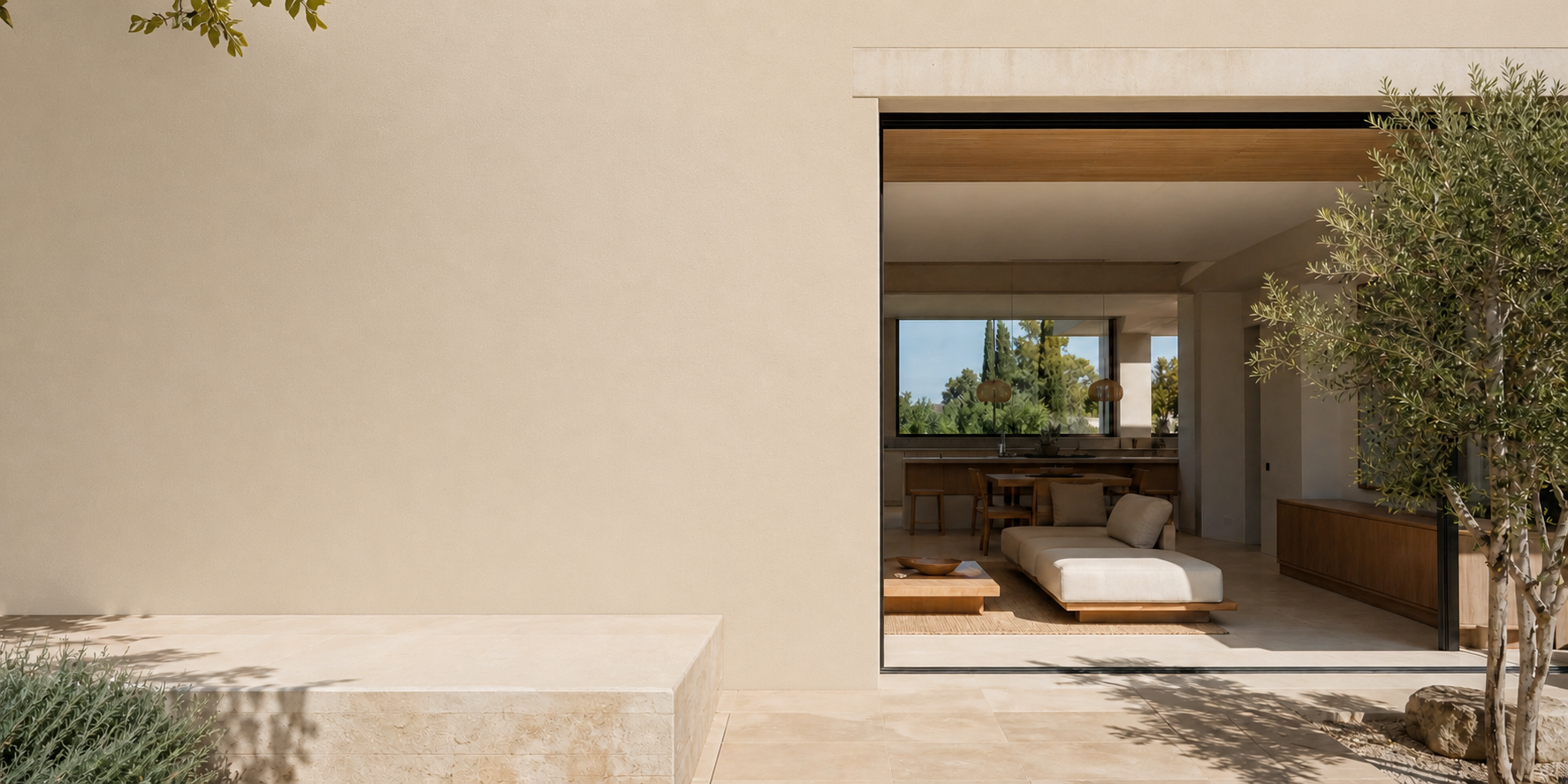
Application scenarios of light warm sand-colored oak particle coating exterior walls in strong sunlight environments
SCENE / 01Scene diagram of exterior wall exposed to strong sunlight
01 / THERMAL RESPONSE

Thermal insulation properties

Focus on the thermal response of the envelope surface rather than equating thin-layer veneer with insulation board.

external effectsSunshine and temperature difference
material responseporous particle layer
architectural roleModulating surface thermal response
Material mechanism

Oak cork particles contain a large number of tiny pores, and the air phase and low-density skeleton reduce continuous solid heat transfer paths. The particles entering the continuous coating cause the surface's heat storage and heat transfer response to differ from that of a high-density, smooth mineral finish.

Verify against template

Make "coated/uncoated" samples under the same orientation, the same base layer and the same color conditions; simultaneously record the ambient temperature, surface temperature on both sides, sunlight period, moisture content and actual thickness to form a time curve that can be reviewed.

project boundary

Thin-layer systems can participate in improving surface thermal response, but are not a substitute for thick insulation, envelope heat transfer calculations, or statutory energy-saving design. When thermal conductivity and thermal resistance need to be quoted, valid reports must correspond to the same structure and thickness.

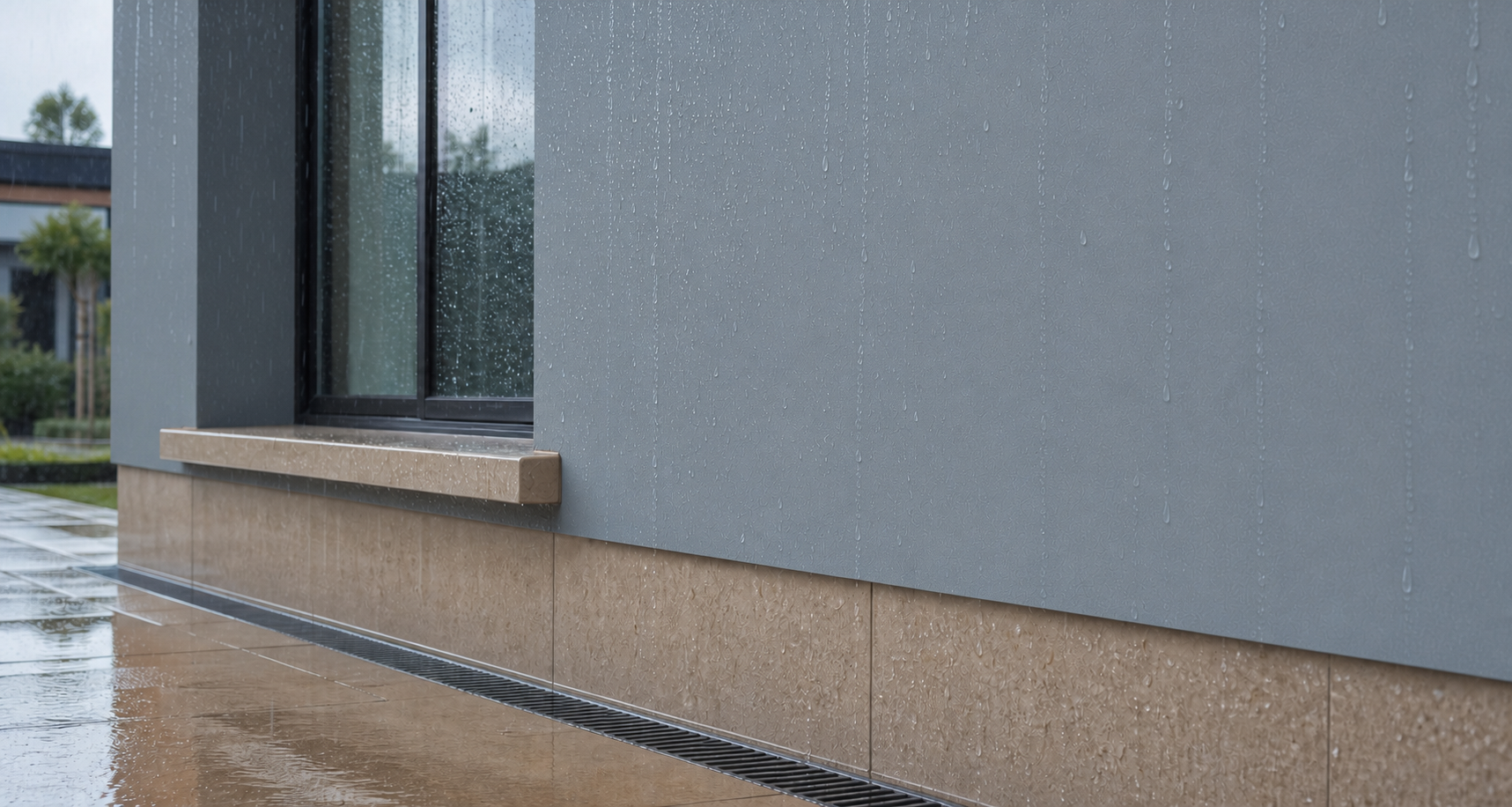
Schematic diagram of nodes and drainage scenes of foggy blue-gray oak particle-coated exterior walls under the action of rain
SCENE / 02Exterior wall rain and node scene diagram
02 / WATER MANAGEMENT

Waterproof performance

The continuous water-repellent layer, base layer status and node processing must be judged as the same system.

external effectsRain and standing water
System responseContinuous coatings and nodes
architectural roleDrainage and protect base
Continuous water repellency principle

After the oak cork particles and the water-based bonding system are continuously formed into a film, the chance of liquid water directly wetting and entering the base layer can be reduced. Actual protection depends on dry film continuity, thickness, bond condition and whether cracks have been pre-treated.

Water spray / closed water verification

Priority should be given to zoning water spraying on exterior walls and inspection of the back surface; water closure or partial water storage should be arranged in horizontal wet areas or roofs according to design conditions. Record the nodes, duration, water level and leakage location before and after the test. Do not just observe whether the surface layer is dripping with water.

Node requirements

Yin and Yang corners, window sills, pipe roots, parapets, deformation joints, closing openings and drainage outlets must be designed independently and strengthened. A single surface layer cannot replace structural waterproofing; long-term water accumulation locations must be verified as a complete waterproofing system.

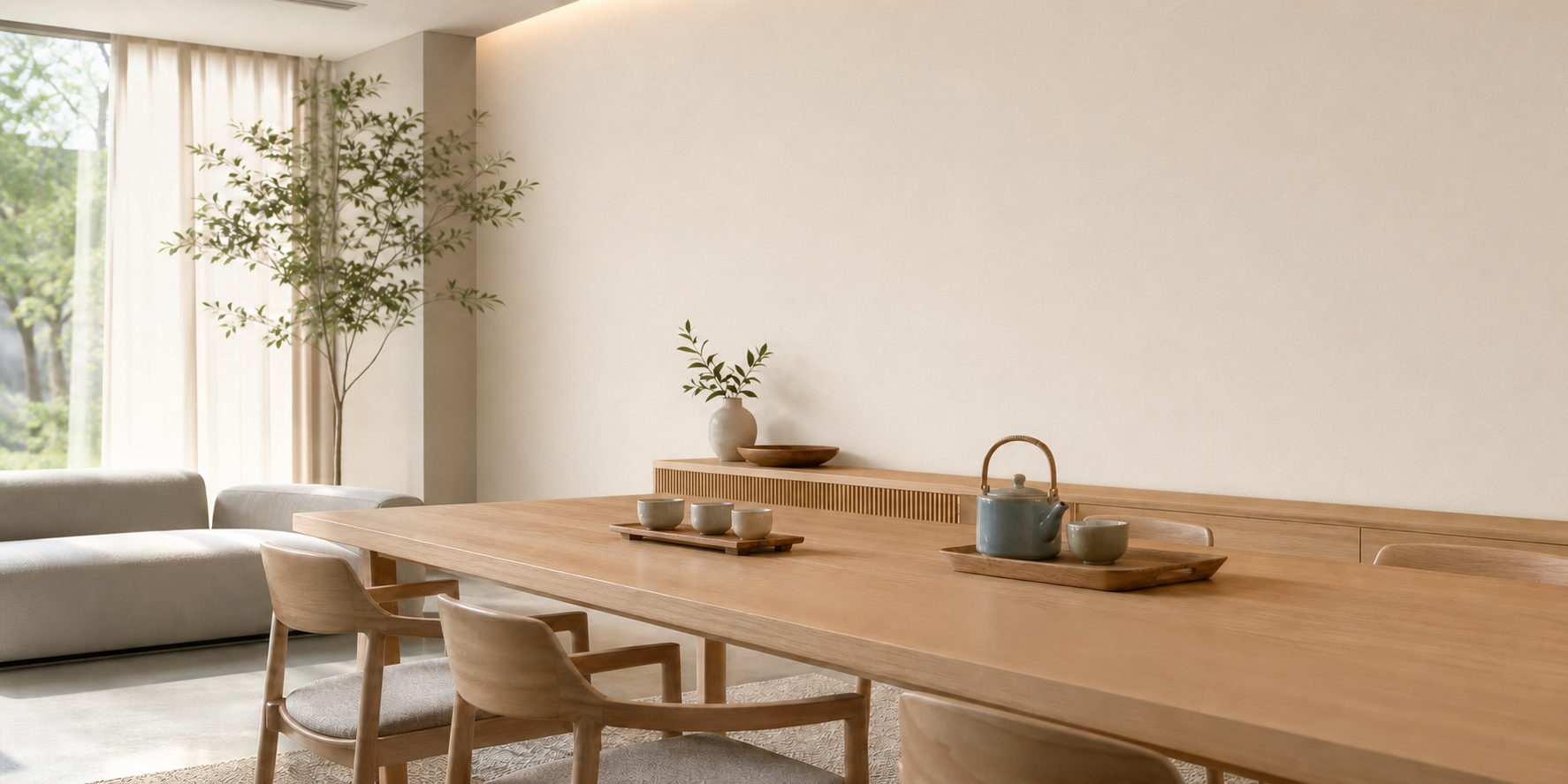
Illustration of the sound absorption application scenario of using milky white oak particle coating on the walls of the meeting and tea space
SCENE / 03Schematic of the acoustic environment scene of the meeting space
03 / ACOUSTIC RESPONSE

Sound absorption performance

When discussing indoor reflected sound and reverberation, do not confuse "sound absorption" with "sound insulation" of walls.

Sound effectincident sound energy
surface responsePorous and rough interface
spatial effectScattering and local dissipation
Material mechanism

Non-smooth particle surfaces will change the specular reflection path; the interface between pores and particles can cause part of the sound energy to be dissipated in air vibration, friction and micro deformation. The degree of its effect is closely related to particle size, thickness, pore state and underlying structure.

space verification

First determine whether to reduce reflections, improve reverberation, or improve sound insulation between rooms. The former can be used to compare reverberation times before and after construction or complete structural sound absorption testing; the latter must be calculated and tested jointly by walls, doors, windows and nodes.

project boundary

Thin-layer particle veneer cannot alone replace professional sound absorbers, nor can it directly improve the sound insulation of walls. When a commitment to sound absorption coefficient or reverberation improvement is required, a complete structural test with the same base layer, thickness and construction method shall prevail.

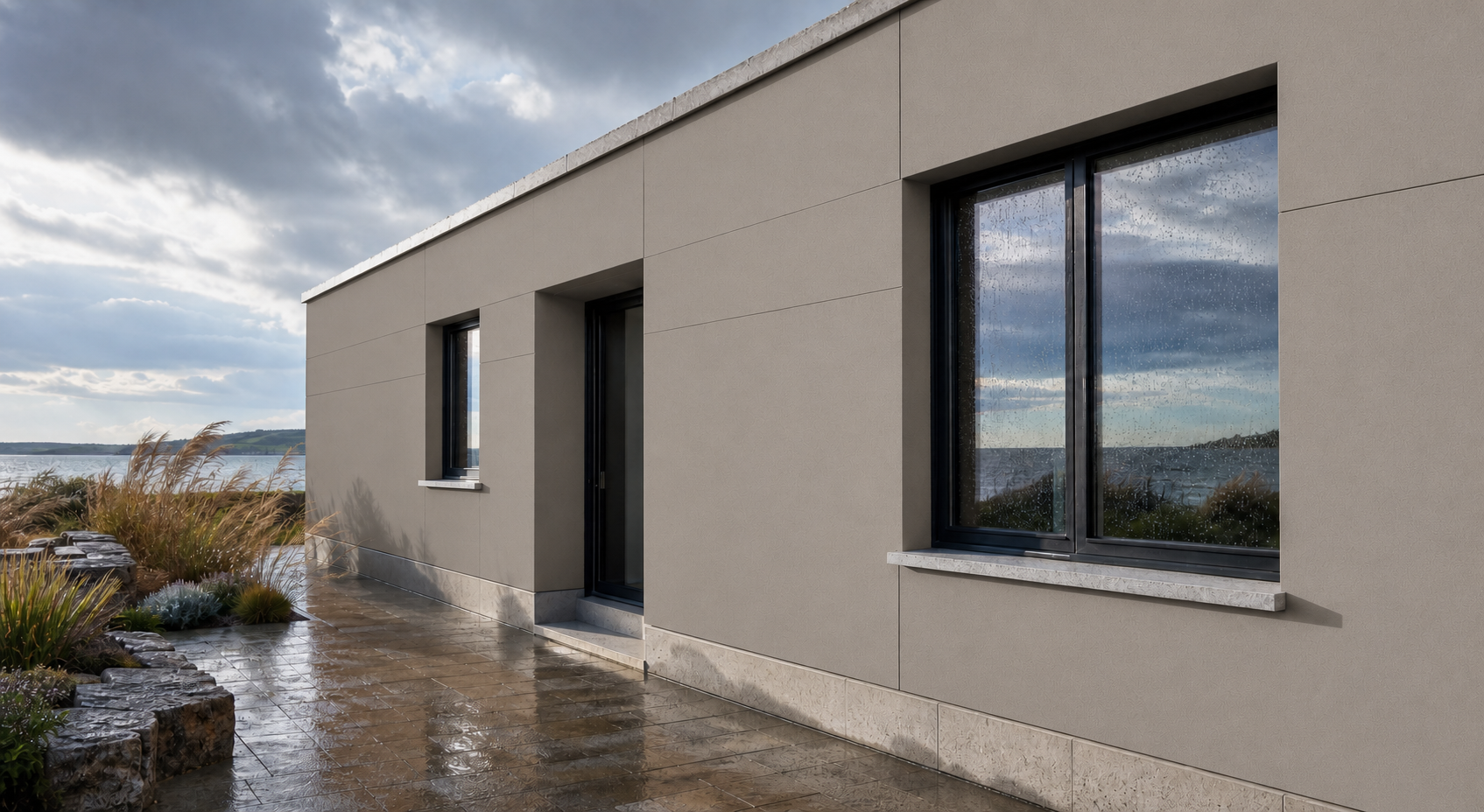
Weather-resistant application scenarios of warm taupe oak particle-coated exterior walls in post-rain sunshine and coastal wind environments
SCENE / 04External exposure and maintenance scenarios
04 / EXTERIOR EXPOSURE

Weather resistance

Put temperature differences, wet and dry cycles, UV rays and base movement into the same set of exterior wall judgments.

exposure conditionsTemperature difference/water/UV
System responseBase coat, primer and topcoat
long term managementNode inspection and maintenance
Influencing factors

The temperature difference between day and night will cause repeated expansion and contraction, the dry-wet cycle affects the bonding and moisture content, and ultraviolet rays may change the color and polymer surface. Cracks in the base layer, the junction of different materials, and structural displacement will transfer stress to the finish.

Show and verify

The sample should cover the actual orientation, color, base layer and nodes, and record the construction batch and exposure time. Check the adhesion, cracks, powdering, color difference and node integrity during project acceptance; establish regular inspection and repair records according to the facade conditions after being put into use.

project boundary

"Weathering" is not a commitment to no maintenance. Dark surfaces, strong UV rays, coastal salt spray, freeze-thaw areas and high-displacement base layers need to be evaluated separately; cracks and deformation joints must be formed into workable structural treatments before surface layer construction.

Evidence Statement: The porous structure of cork materials provides the basis for thermal, acoustic and water-repellent responses, but data from panels, composites or experimental samples cannot be directly equated to thin-layer field coatings. The project conclusion must simultaneously correspond to the product batch, complete structure, construction thickness, joint method and verification records.

03 GRAIN SCALE

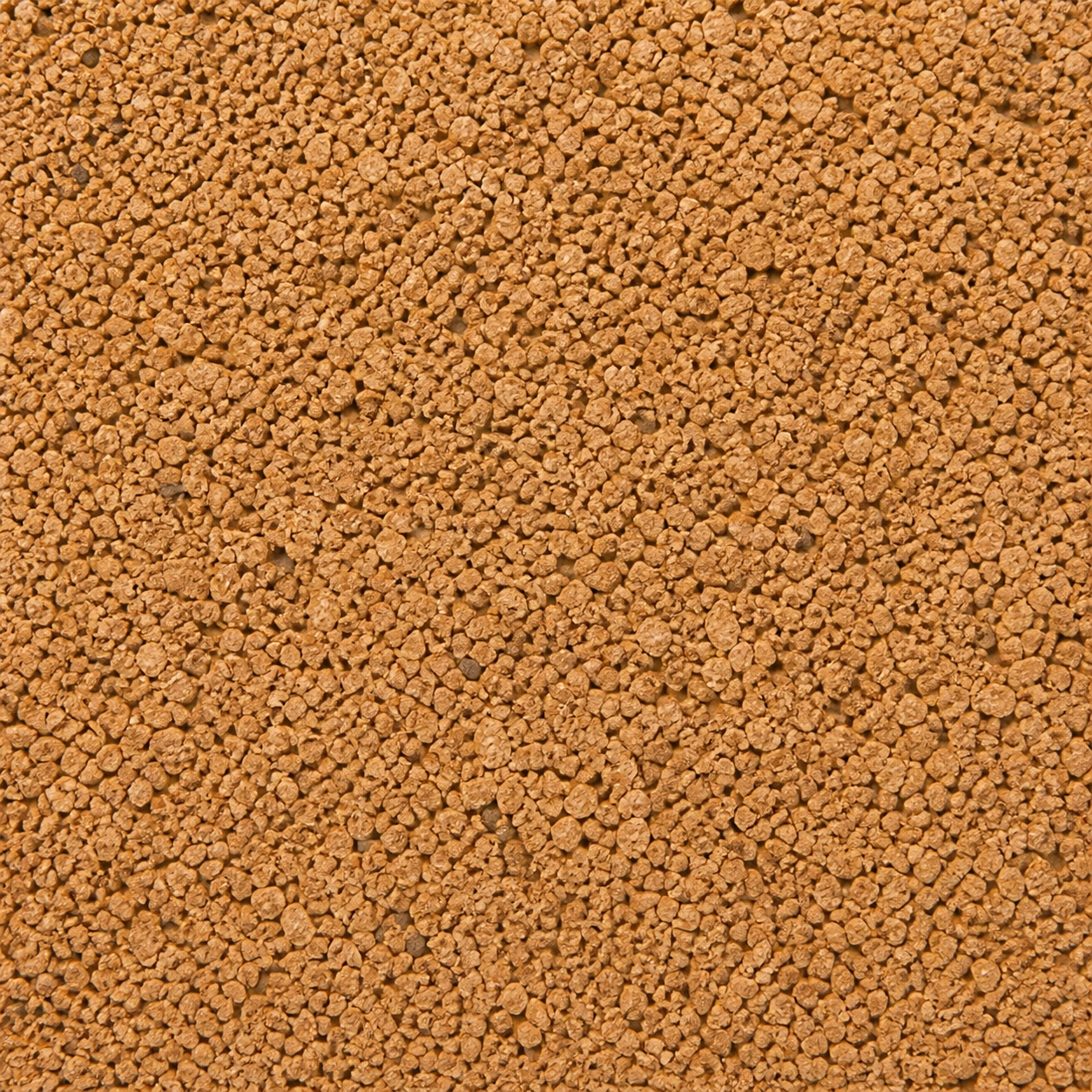
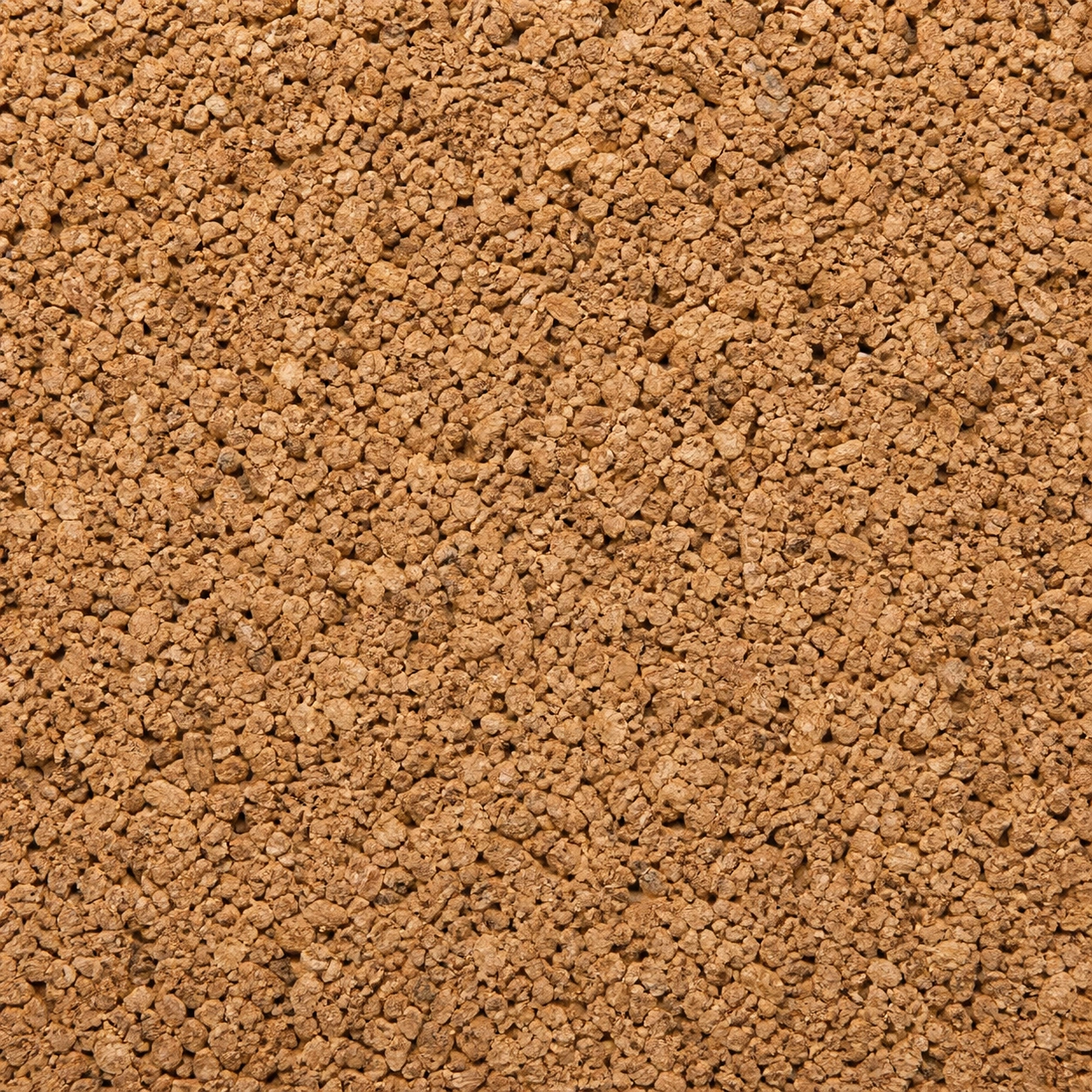
Three particle gradations,
Present different surface scales.

The smaller the particle size, the quieter the surface; the larger the particle size, the clearer the material feel. Choose the scale you want clients to feel in the space first, then discuss color.

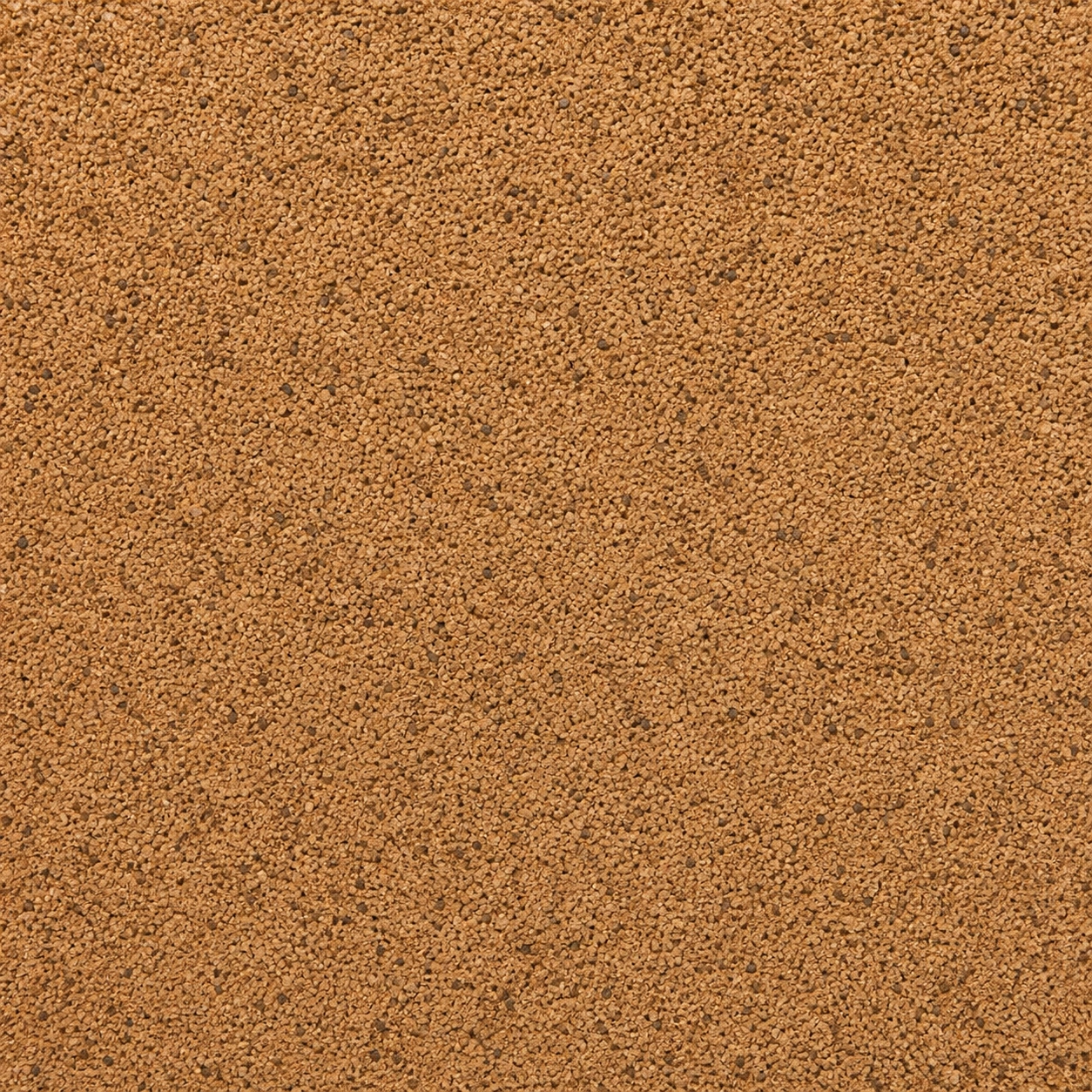
ReadyCork Fine Fine Grained Oak Cork Texture Illustration
TEXTURE REFERENCE / FINEfine particlesHD texture diagram
FINE / 01

Quiet and delicate,
Let the particles recede behind the light.

FINE fine particles

Suitable for walls and ceilings where you want to retain the cork feel while controlling surface roughness. More suitable for close viewing and softer lighting spaces.

Data status
The original album recorded "fine" and did not give a millimeter range.
Prioritize
Delicacy, close-up touch, continuity on the top of the wall

The three high-definition pictures are reconstructed based on existing sample data and are used to illustrate the three particle directions of fine, medium and coarse. They do not replace physical samples, color confirmation or batch acceptance. The existing brochure does not give the millimeter boundaries and independent kg/㎡ consumption of the third-grade particles, so this page no longer fictionalizes precise values; the actual consumption must be calculated based on the supply batch, base layer, tools and target thickness.

04 / DATA & EVIDENCE

Technical parameters and applicable conditions,
Together we define material performance.

From product specifications and construction parameters to third-party testing and project adaptation, different materials answer different questions. We organize them by professional use to help design, construction and procurement personnel quickly find information for selection and decision-making.

AProduct Specification BaselinePRODUCT SPECIFICATION
01

Particle Grading and Historical Overall Coating Rate

Particle direction
Fine / Medium / Coarse
Overall coating rate of old material
Approx. 1–2 m²/L/layer, varies with thickness
Binning numerical status
Millimeter boundaries and independent consumption are not provided
can be used for

Preliminary comparison of texture scale and material feel; budget must be recalculated with current batches and on-site samples.

The old data unit and actual packaging caliber also need to be reviewed before placing an order.
BConstruction technical parametersAPPLICATION PARAMETERS
02

Coating structure and construction environmental parameters

single layer reference
approx. 1.5mm
System reference
about 3mm
construction environment
+5°C to +35°C
Thick layer drying
Approximately 40–80 h at 3–4 mm
Use boundaries

It is used to arrange the preliminary construction rhythm and does not directly write into the project guarantee terms.

The current batch labels and current technical documents must be checked before signing the order.
CThird-party testing dataTHIRD-PARTY TESTING
03

AITEX thermal performance verification

2021 / AU0224

EN 12667:2001 test: The average thermal conductivity of a sample approximately 10.84 mm thick is 0.051831 W/(m·K) and the average thermal resistance is 0.206132 m²·K/W.

Citation norms

The test results only correspond to the samples and conditions in the report and cannot be directly converted into the guaranteed value of a conventional system of approximately 3 mm.

The sample thickness, density and test method must also be stated when citing.
DProject fit assessmentPROJECT ENGINEERING
04

Substrate adaptation and system evaluation

Base material and statusIndoor / outdoor locationArea and target thicknessCracks, Drainage and NodesTarget functions and acceptance methods
Output after confirmation

Particle selection, sample requirements, system level, construction conditions and information list.

"Thermal insulation, sound absorption, waterproofing, and weather resistance" cannot be promised independently of system conditions.

05 PROFESSIONAL RECORD

Expand professional profile,
Understand the complete technical basis.

Complete information is placed in the four topics below. Customers can quickly browse and designers and builders can continue to trace technical conditions.

01Products and construction parametersThickness, temperature, drying, tools
Product form
Natural oak cork particles and water-based system
Appearance
Silky matte, visible grain texture
Single layer reference thickness
approx. 1.5mm
Recommended system thickness
About 3 mm, adjust according to project
construction environment
+5°C to +35°C
Thick layer drying reference
Approximately 40-80 hours at 3-4 mm
construction tools
Spray guns, rollers, brushes or scraping tools
dilute
Ready-to-use; subject to current label
02Base layer and construction pathFrom inspection to acceptance
  1. 01
    Check the grassroots

    The base must be clean, dry, and solid; first check for hollows, cracks, moisture return, drainage, and expansion joints.

  2. 02
    Treat old surfaces

    The old paint surface should be polished and cleaned; the metal should be rusted and degreased first, and an appropriate anti-corrosion primer should be used.

  3. 03
    Create bonding layer

    Choose primer or interface material based on water absorption and material. The same approach cannot be applied to ceramic tiles, mortar and metal.

  4. 04
    Layered construction

    The information recommends at least two layers, with sufficient dryness between layers to avoid excessive accumulation at one time.

  5. 05
    Acceptance and maintenance

    Check the thickness, continuity, color difference, joints and drainage; the roof and wet area are accepted as a complete waterproofing system.

03Detection basis and performance boundariesThermal engineering, acoustics, fire protection
AITEX / EN 12667:2001

Thermal performance report and verification basis

The detection date is 2021.03.15-03.17. Report number 2021AU0224, test method EN 12667:2001; the following values ​​only correspond to the samples submitted for inspection and reporting conditions.

Thickness of sample submitted for inspection
10.84379 mm
Density of sample submitted for inspection
396.9908 kg/m³
average thermal conductivity
0.051831 W/(m·K)
average thermal resistance
0.206132 m²·K/W
temperature improvement
There are two expressions of 7-9°C and 7-10°C in the old data, and the complete conditions need to be reviewed.
Acoustic improvements
There are two expressions of 8-10 dB and 8-20 dB in the old data. The frequency band and structural conditions need to be reviewed.
Fire protection description
Old information quoted M1/UNE 23721:1990, check current certificate before using the project
Temperature resistance description
Old data states -20°C to +120°C, current documents must be used to confirm applicable conditions

Approximately 10.84 mm, the sample submitted for inspection is not the same as the approximately 3 mm system commonly found on the website, and the same thermal resistance or energy saving range cannot be directly extrapolated.

04Packaging, storage and delivery confirmationMust check before placing order

The database contains both a 10 kg technical documentation version and a 15 kg packaging label version. The proportion, packaging, color, batch and storage period are subject to the actual supply label and current technical documents.

Old version storage conditions
Sealed in original packaging, 5-35°C, avoid frost, exposure to sunlight and extreme temperatures
Old version storage period
6 months from date of production, keep properly
Base Adhesion Reference
Mortar 5.80, galvanized steel 5, glass 6 kg/cm²; test conditions to be verified
Project confirmation item
Base layer, area, thickness, particles, color, nodes, tools and construction environment
PROJECT NOTE

"Thermal insulation, sound absorption, waterproofing, and weather resistance" are the system design directions, not a single-barrel commitment separated from the base layer, thickness and nodes. We will first check the usage location and construction conditions, and then provide model selection, samples and data files.

Submit project conditions
READY FOR REVIEW

After the particles, base layer, thickness and nodes are confirmed, then enter the color and sample stage.